
Guest Blog: All Immigration Enforcement Is Local
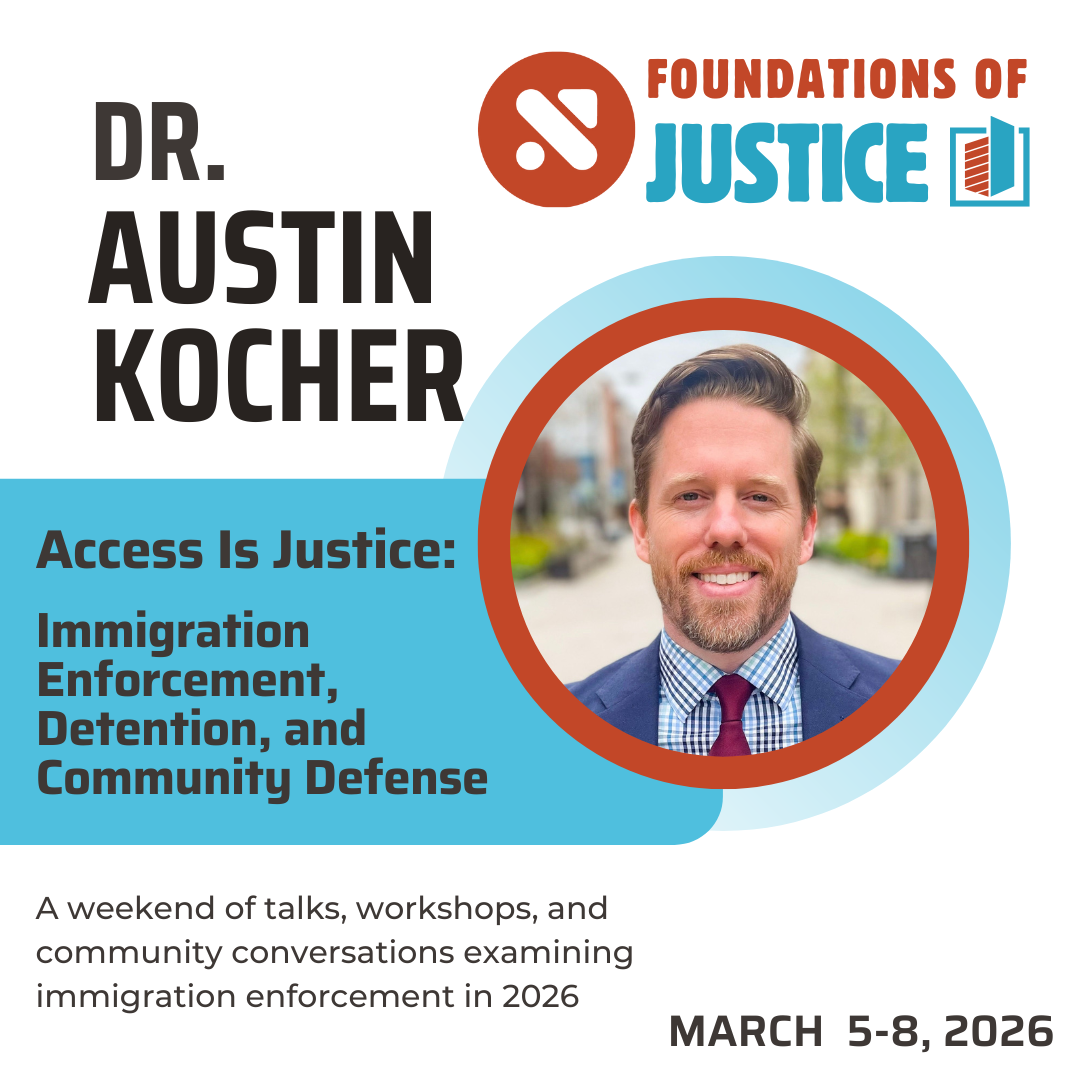
Guest Author: Dr. Austin Kocher
From March 5 to 8, I'll be in St. Louis for four days of public events, workshops, and conversations about immigration enforcement, organized by the Ashrei Foundation. The visit includes a packed schedule of events across universities, law offices, city halls, and congregations, and it reflects something that has defined my work from the beginning. My years of research on immigration enforcement data and policy, along with my involvement in immigrant rights organizing, have always reinforced the same recognition: immigration enforcement is fundamentally local.
We've seen this clearly over the past year in cities like Los Angeles, Chicago, Minneapolis, and Columbus. In each place, the way enforcement plays out depends on the local context: the enforcement landscape, the laws and policies in place, and the strength of the community networks, faith communities, and immigrant communities that are responding. The president sets the tone, federal policy sets the framework, but enforcement takes shape through the specific decisions of local police departments, county jails, and ICE field offices, and through the ways communities come together to welcome immigrants and love their neighbors.
As a geographer, this is how I approach immigration research. I study the local effects of immigration enforcement, how enforcement either latches onto or undermines other institutions, and how and why it looks different from one jurisdiction to the next. These patterns reflect local policing priorities, county jail contracts, the presence or absence of legal resources, and the political will of elected officials. St. Louis is a place where those patterns are especially revealing.
“The St. Louis metro area recently experienced the highest percentage increase in its foreign-born population of any major metro in the country.”
The St. Louis metro area recently experienced the highest percentage increase in its foreign-born population of any major metro in the country. At the same time, Missouri's governor has signed a series of executive orders integrating state law enforcement into the federal deportation infrastructure, including a 287(g) agreement that deputizes the Highway Patrol to act as immigration officers. Rural counties like Phelps and Ste. Genevieve hold ICE detention contracts. The tensions between federal enforcement priorities and local community needs are all playing out here in ways that deserve careful attention.
Over the course of the visit, I'll be engaging with people working on these issues from every angle.
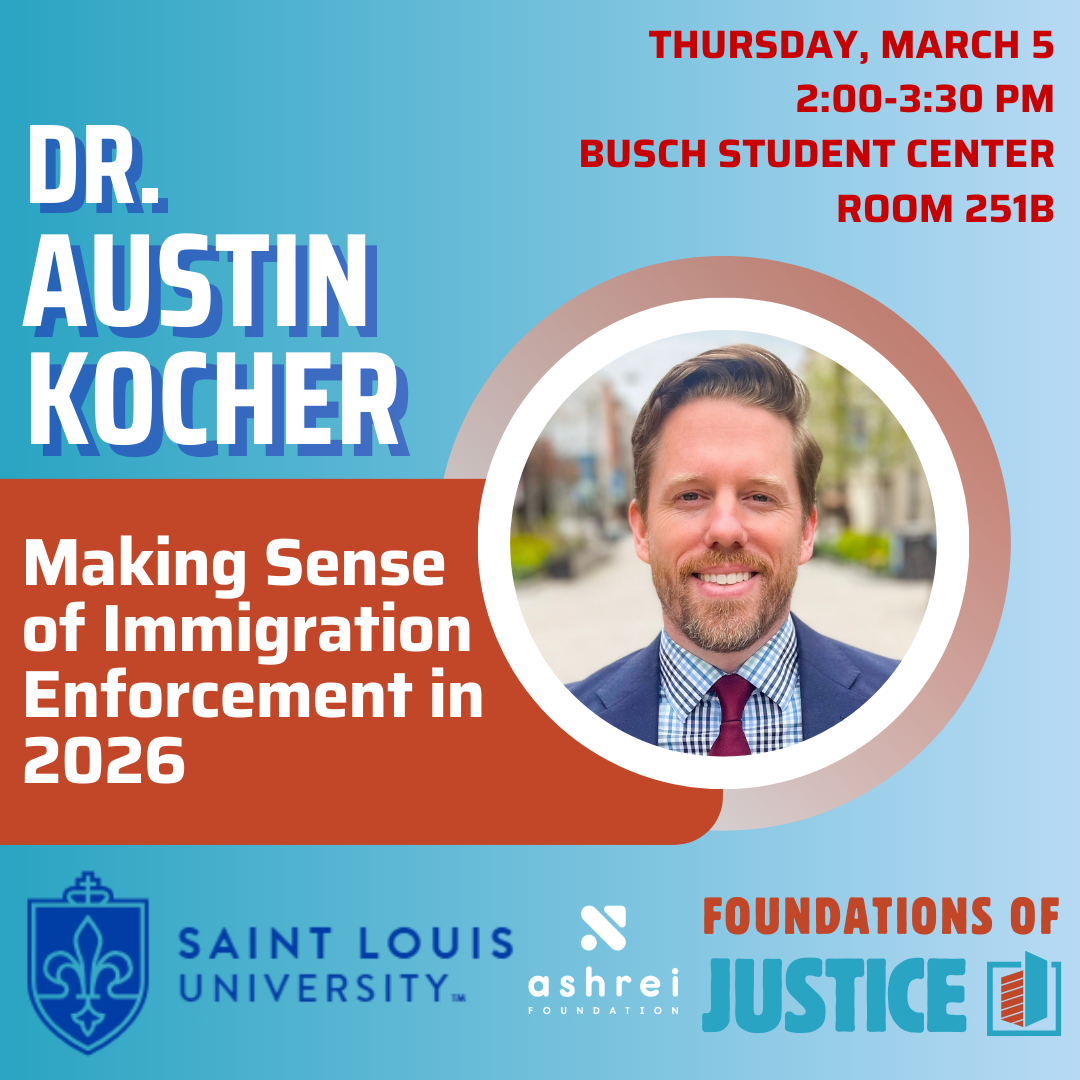
At Saint Louis University, I'll offer a public assessment of where immigration enforcement stands one year into the second Trump administration, including what has changed, what is genuinely unprecedented, and what we can expect in the year ahead.
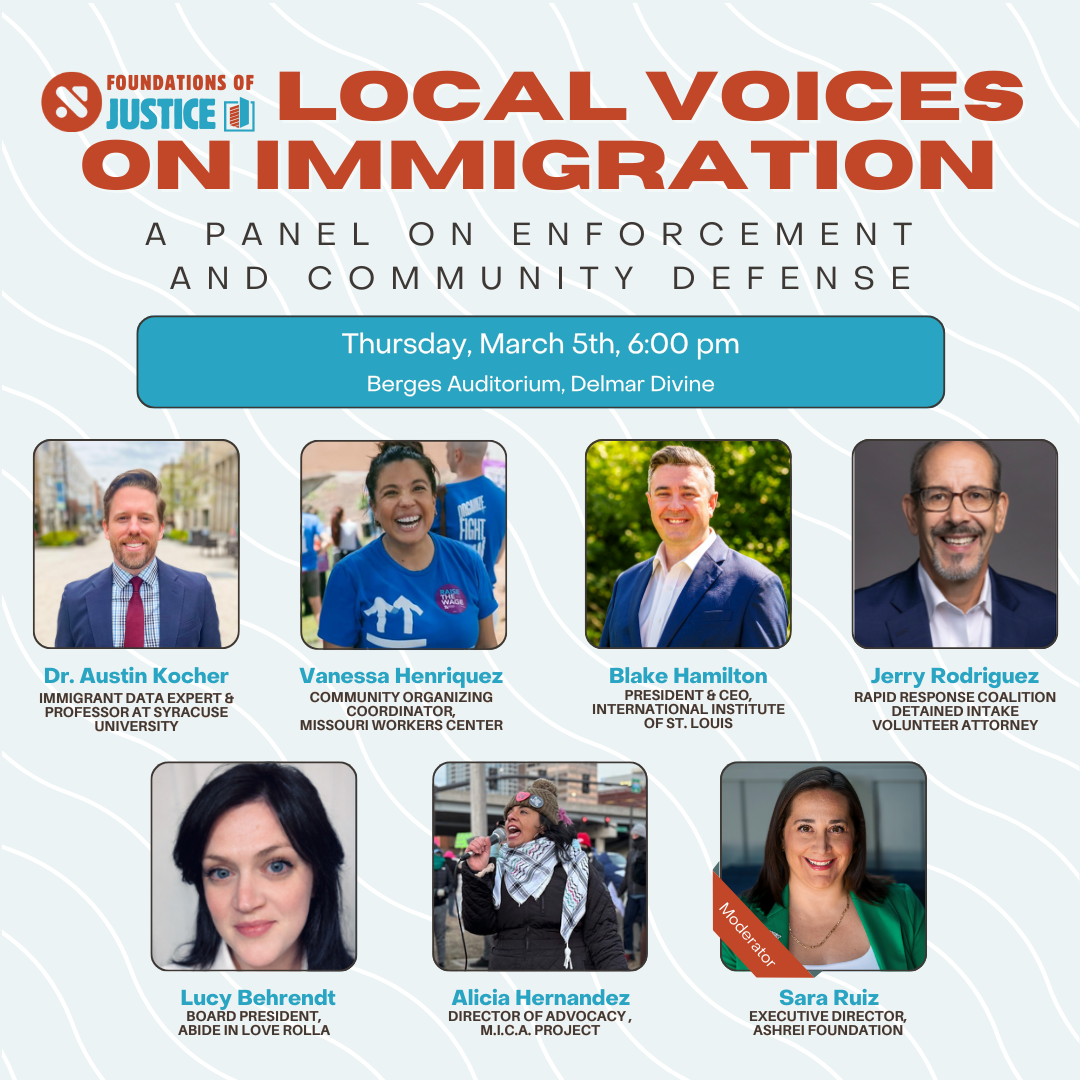
Thursday evening, I'll join a panel alongside local community leaders, attorneys, and advocates for a public conversation about how enforcement is reshaping daily life in St. Louis.
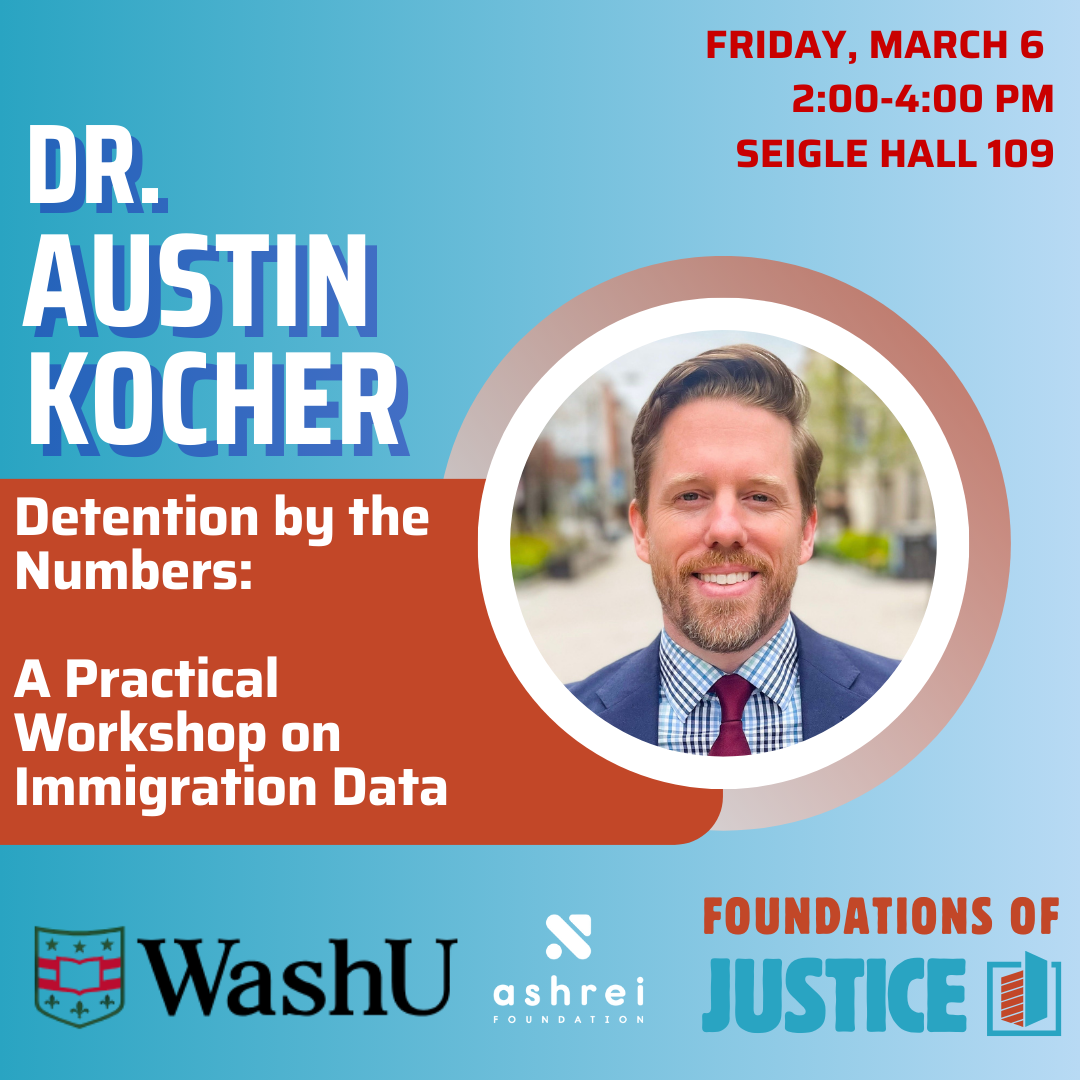
At Washington University, I'll lead a hands-on workshop on immigration detention data, walking participants through how to find, clean, analyze, and visualize the numbers that shape this debate.
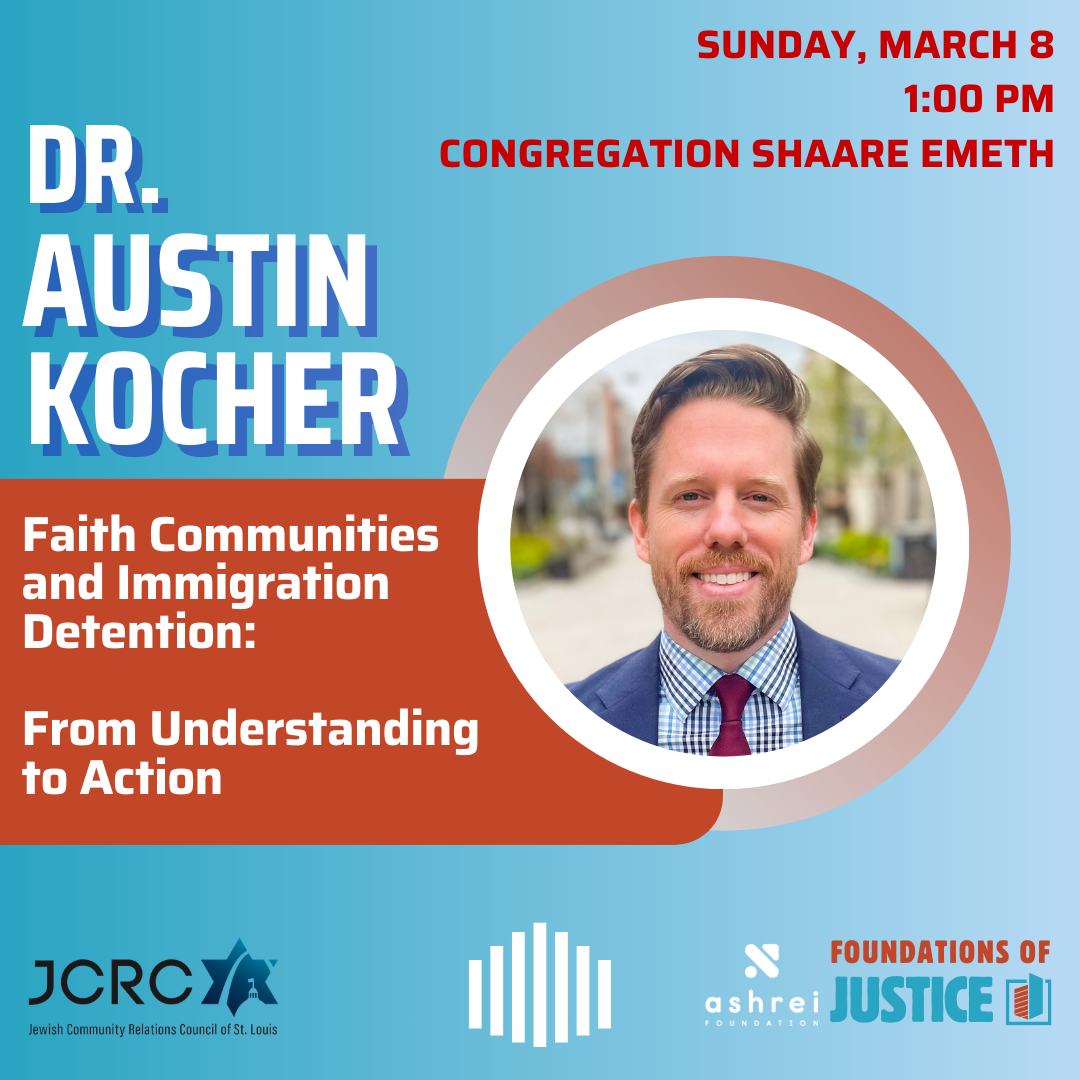
Sunday at Congregation Shaare Emeth, I'll close the visit with a conversation about how faith communities are responding to immigration detention, from accompaniment and advocacy to rapid response.
I also look forward to some more focused, private conversations in St. Louis. One with immigration practitioners at Hacking Immigration Law about enforcement trends and what attorneys are seeing with their clients, another with local and state elected officials to discuss what municipal and state leaders can concretely do to protect their communities.
The overall focus of the visit is to spark conversations. I'll be bringing the latest enforcement data, walking through the policy shifts happening in Washington, and explaining the legal and constitutional battles being waged in federal courts. But I'm coming to listen as much as to share. I want to hear what attorneys are dealing with on the ground. I want to understand how organizations are building rapid response infrastructure in a region that doesn't always get national attention. I want to sit with elected officials and hear what they feel they can and cannot do. I want to learn from faith leaders who are wrestling with what detention and deportation mean for their congregations and their moral commitments. The most useful analysis I've ever done has been shaped by the people closest to the problem.
I'm grateful to the Ashrei Foundation for making this visit possible. Ashrei has built a community infrastructure in St. Louis that connects immigrant families to emergency resources through the Immigrant Family Emergency Response Fund, coordinates rapid response to enforcement actions through a regional hotline, and brings together an interfaith coalition of volunteers, attorneys, and advocates who show up for their neighbors. The Foundations of Justice series reflects their broader commitment to ensuring that people doing this work on the ground have access to rigorous data and analysis.
“The Foundations of Justice series reflects their broader commitment to ensuring that people doing this work on the ground have access to rigorous data and analysis.”
Immigration enforcement is already reshaping daily life in St. Louis and across the region. People are already feeling the effects, and local organizations are already responding. What I find encouraging is that the conversations we'll be having aren't only reactive. They're also about building the knowledge, the relationships, and the infrastructure that communities need to respond thoughtfully and strategically to what's coming next. St. Louis is a city where that work is well underway, and I'm looking forward to being part of it for a few days, and to carrying what I learn back into my own research and public writing.
If you're in the St. Louis area, I hope you'll join us. You can find the full schedule of public events on the Ashrei Foundation event calendar. To follow my ongoing work on immigration enforcement data and policy, you can find me at austinkocher.substack.com.