
Local Enforcement, National Policy: the Data in StL
Immigration enforcement in the United States is expanding rapidly and its impacts are increasingly visible in at the local level in the St. Louis region and in many communities around the country.
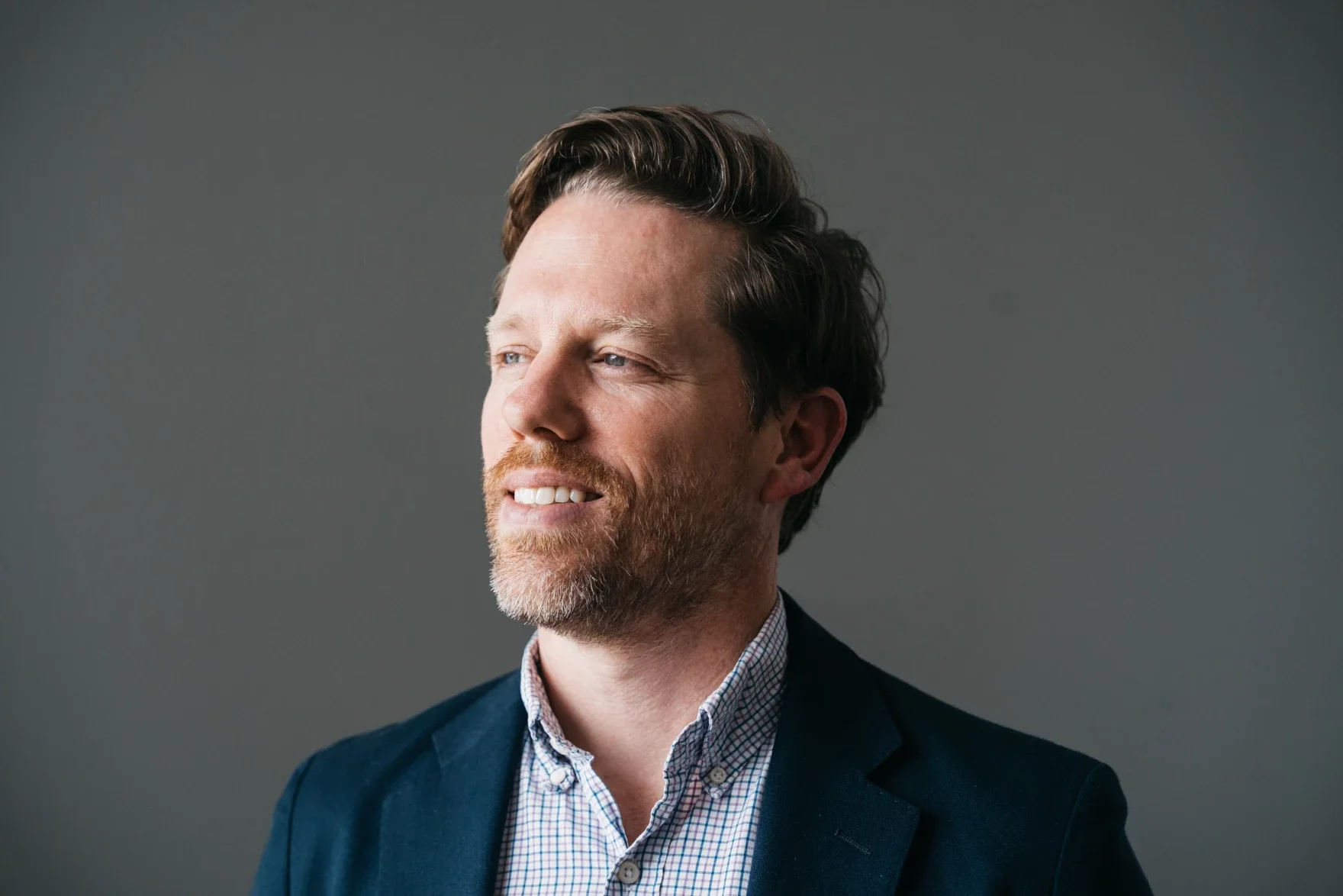
In a recent interview St. Louis Public Radio’s Brian Munoz, immigration researcher
Dr. Austin Kocher highlights how federal enforcement policies are filtering down to the local level, often through routine interactions with police. Traffic stops, minor warrants, or brief encounters with local law enforcement can now lead to detention or transfer to federal immigration authorities.
Much of this shift is connected to the rapid expansion of 287(g) agreements, which allow local law enforcement agencies to take on certain federal immigration enforcement functions. According to federal records and civil liberties organizations, these agreements have grown significantly during the second Trump administration, with dozens now active in Missouri alone.
Professor Kocher warns that some of the newer versions of these agreements—especially the “task force” model—allow officers in the field to question people about immigration status during routine policing activities. Research over many years has shown that these programs can raise serious concerns about racial profiling, community trust, and local taxpayer costs.
These were some of the very issues Kocher explored during his recent visit to St. Louis as part of The Ashrei Foundation’s Foundations of Justice series. Through events over four days, with audiences at WashU and Saint Louis University, a community panel discussion, and an event in partnership with Congregation Shaare Emeth and JCRC, he helped local advocates, faith leaders, and community members better understand how immigration enforcement works in practice, from the growth of detention facilities to the increasing role of local police.
One of the most striking trends Kocher highlighted is the pace of detention growth. In just the past year, the national immigration detention population has surged from under 40,000 people to more than 70,000. According to Kocher, the scale and speed of that expansion is unprecedented.
Yet his work also points toward a different future. Kocher’s current research asks an important question: if mass detention cannot solve the challenges of the immigration system, what would a smarter, more humane system look like?
For communities like the St. Louis region, where local policy decisions increasingly shape immigration outcomes, understanding these dynamics is essential.
👉 Read or listen to the full St. Louis Public Radio interview with Brian Munoz where Dr. Kocher explain these trends in detail and what they could mean for communities across Missouri here.